

Escalating U.S.-Iran Conflict Disrupts Travel in the Middle East
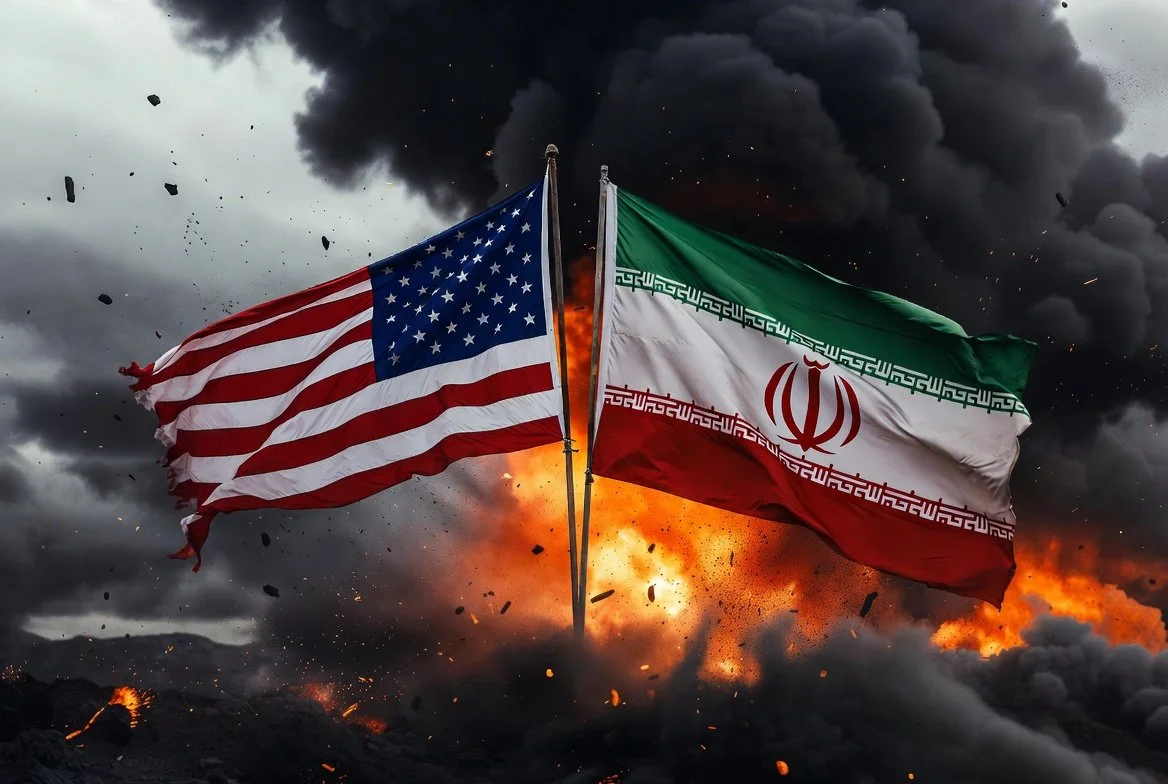
As of February 28, 2026, the escalating conflict between the United States and Iran, marked by joint U.S.-Israeli strikes on Iranian facilities and subsequent Iranian retaliations, continues to create significant uncertainty for global travelers. This has led to widespread aviation disruptions, increased personal security risks, and greater demand for expert travel risk management. In this changing environment, professional services such as those offered by Morton Executive Decisions are especially valuable to organizations and individuals managing high-risk travel.
Direct Risks in Iran and Adjacent High-Threat Areas
Iran remains under a U.S. Department of State Level 4: Do Not Travel advisory, with explicit instructions for any remaining U.S. citizens to depart immediately if feasible and to shelter in place amid active hostilities. Commercial aviation has largely ceased, land borders are unpredictable or closed, and the threat environment includes airstrikes, proxy militia activity, terrorism, arbitrary detention, and risk of continued escalation. Similar Level 4 or high-risk warnings are issued by governments, including the UK, Canada, Australia, Germany, and others, often urging nationals to leave by any safe means while options remain.
Travelers or expatriates in Iran or nearby conflict zones, such as parts of Iraq, Syria, or the Persian Gulf states, face risks beyond physical harm. These include communication blackouts, infrastructure failures, and limited consular support.
Regional and Global Travel Disruptions
The conflict has disrupted the Middle East aviation network:
Airspace restrictions continue or shift in Iran, Israel, Iraq, Jordan, Lebanon, parts of Syria, Qatar, UAE, Kuwait, Bahrain, and Oman, resulting in one of the largest regional flight shutdowns in recent years.
Major hubs including Dubai (DXB), Doha (DOH), Abu Dhabi (AUH), and Tel Aviv (TLV) are experiencing frequent cancellations, indefinite suspensions, and empty airspace corridors.
Airlines such as Emirates, Qatar Airways, Etihad, Lufthansa Group, Turkish Airlines, and other long-haul operators have issued waivers for rebooking or refunds, rerouted flights with added time and cost, or suspended services to the region through at least early March 2026.
Indirect impacts are affecting Europe-Asia routes, as overflight avoidance adds to existing restrictions from the Russia-Ukraine conflict.
Even in lower-risk Gulf states or countries such as Saudi Arabia and Egypt, travelers face secondary threats, including demonstrations, anti-Western sentiment, potential spillover incidents, and sudden policy changes.
Pragmatic Aspects for Travelers and Organizations
Individuals planning or already booked to travel to the Middle East should:
Monitor airline portals and official advisories hourly, as changes occur rapidly.
Review travel insurance policies for war/terrorism exclusions and activate any crisis assistance hotlines.
Prepare contingency plans, including alternative routing and emergency funds.
Organizations sending employees, executives, or teams have increased responsibilities under duty-of-care obligations. These include pre-travel risk assessments, live monitoring, emergency evacuation planning, and tailored security protocols. The current crisis has exposed gaps in many internal programs in these areas.
How Morton Executive Decisions Supports Travelers in Crises Like This
Morton Executive Decisions, led by Pete Morton CPP, an experienced security executive with military intelligence experience and decades in high-threat risk mitigation, specializes in boutique travel risk and security consulting for growing businesses, NGOs, humanitarian organizations, and purpose-driven entities. Their Predictions platform and services are specifically designed for scenarios like the current U.S.-Iran conflict, where standard advice is insufficient and customized, intelligence-driven support is essential.
Key offerings that directly address today’s challenges cover:
Proactive Risk Advice: Comprehensive destination briefings, location-specific risk assessments through their Predictions platform, and development of customized high-risk travel policies. In the current environment, this includes live analysis of airspace closures, strike patterns, proxy threats, and safe transit corridors.
Crisis-Ready Response: 24/7 support, incident monitoring, and practical guidance for travelers in affected areas or facing sudden disruptions. This includes shelter-in-place protocols, evacuation coordination, and liaison with local resources when embassies are limited.
Integrated Travel Risk Management Coverage: Beyond basic insurance, annual packages combine expert consulting hours, discounted specialized travel insurance, situational awareness updates, and access to a trusted network. This delivers affordable, high-caliber expertise directly from Pete Morton, CPP, and his team.
Training and Program Development: Pre-travel security awareness sessions, target-hardening techniques, and organizational resilience building, which are invaluable when geopolitical flashpoints arise unexpectedly.
Affordable Access for Smaller Entities: Core annual packages provide over 15 hours of dedicated consulting, reports, briefings, and crisis support. This makes professional-grade travel risk management feasible for companies and NGOs that might otherwise rely on generic government warnings.
In uncommon cases, such as humanitarian workers operating in high-risk zones, executives with unavoidable regional commitments, or organizations deciding whether to proceed with planned travel, Morton Executive Decisions provides neutral, third-party assessments to inform executive-level decisions. Testimonials highlight how their direct, personal approach eases the burden of secure travel planning and provides confidence during uncertainty.
Broader Implications and Outlook
While diplomatic signals indicate possible off-ramps (e.g., conditional de-escalation tied to nuclear talks), the risk of prolongation remains elevated, with the potential for widened proxy engagements or oil market shocks to influence global travel costs. Travelers and organizations should treat this as a fluid, multi-week (or longer) disruption rather than a short-term event.
For those whose travel cannot be deferred, partnering with specialized providers like Morton Executive Decisions ensures layered protection: intelligence-informed decisions, timely adaptability, and a proactive rather than reactive stance. In an era where geopolitical risks can upend itineraries overnight, this tailored expertise transforms potential crises into manageable challenges.
For more details on how Morton Executive Decisions can support your specific travel risk needs, visit predictprotection.com or connect directly with us. Always verify with official government advisories and your own risk appetite before making any decisions in this fast-developing situation.