

Risk mitigation and program development
Layered physical security, local intelligence, and rehearsed evacuation saved 200 children and staff when a gang breached the perimeter.
The challenge
A missionary organization operating an orphanage housing more than 200 children — including many with physical and developmental disabilities — faced gangs seeking territorial control. Law-enforcement response was delayed or compromised. A breach could mean mass casualties, abductions, or permanent loss of the facility.
Our approach
Site vulnerability assessment and layered physical upgrades: perimeter, access control, surveillance, safe rooms, defensive positioning.
SOPs written specifically against hostile acquisition — threat indicators, staff roles, communications, decision authority.
A discreet local intelligence network maintained for more than two years, providing early warning of gang movement.
Realistic evacuation drills emphasizing foot movement, child handling, route selection, anti-pursuit tactics, and rendezvous points.
Ongoing advisory support so intelligence actually changed daily operations.
The outcome
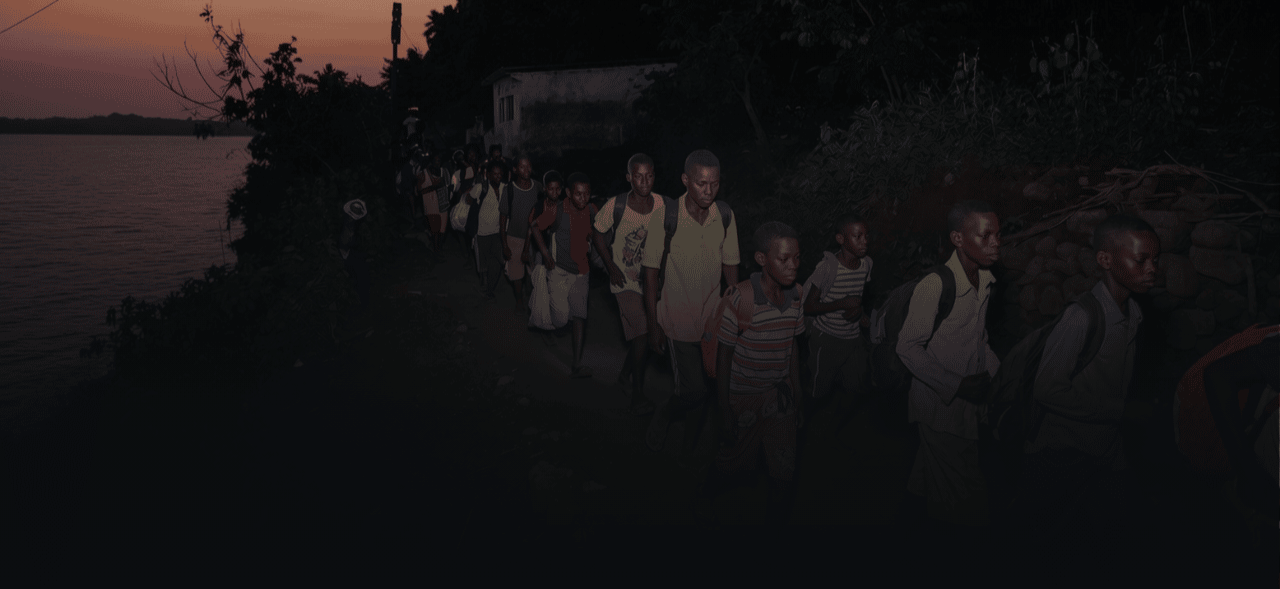
When a gang eventually breached the perimeter, early warning triggered the rehearsed protocol. All 200-plus children, teachers, staff, and local security escaped on foot. After three days of movement under pursuit, a helicopter extraction lifted everyone to safety. No one was harmed or captured.
Takeaways
Physical hardening buys time; SOPs turn that time into coordinated action.
Local intelligence is the difference between surprise and a head start.
Drills that include the hardest parts — children with disabilities, foot movement — are the ones that hold under duress.
Layered preparedness lets NGOs protect large groups without a corporate security budget.
More missions
Ready to discuss a trip, a program, or a crisis plan?
A short, confidential conversation is usually enough to see whether we are the right fit. No retainer required to start.