Crisis Avoidance Requires Courageous Leadership
I have experienced many crisis situations, and each reveals a common thread: crises create opportunities for ordinary people to take on extraordinary roles. I have seen employees risk their lives beyond their usual duties to save others in war zones, managers work tirelessly to protect teams during terror attacks, and volunteers leave executive positions to run soup kitchens after disasters. These individuals are heroes. The more difficult question is why they needed to assume these roles in the first place.
I have also stepped into these situations, often after the opportunity for prevention had passed. Frequently, I am called to coordinate rescues or advise clients who previously ignored indicators and recommendations that could have lessened the impact. Delaying action almost always proves more costly than responding to early warning signs. Those affected by the consequences seldom forget them.
Imagine if intelligence analysts, operations planners, and risk professionals who identify vulnerabilities and track indicators received the same recognition as those who respond during a crisis. Many dedicated professionals view crisis avoidance as their calling, motivated by the chance to prevent incidents before they occur. Yet, they often expend as much effort persuading leadership as they do analyzing threats.
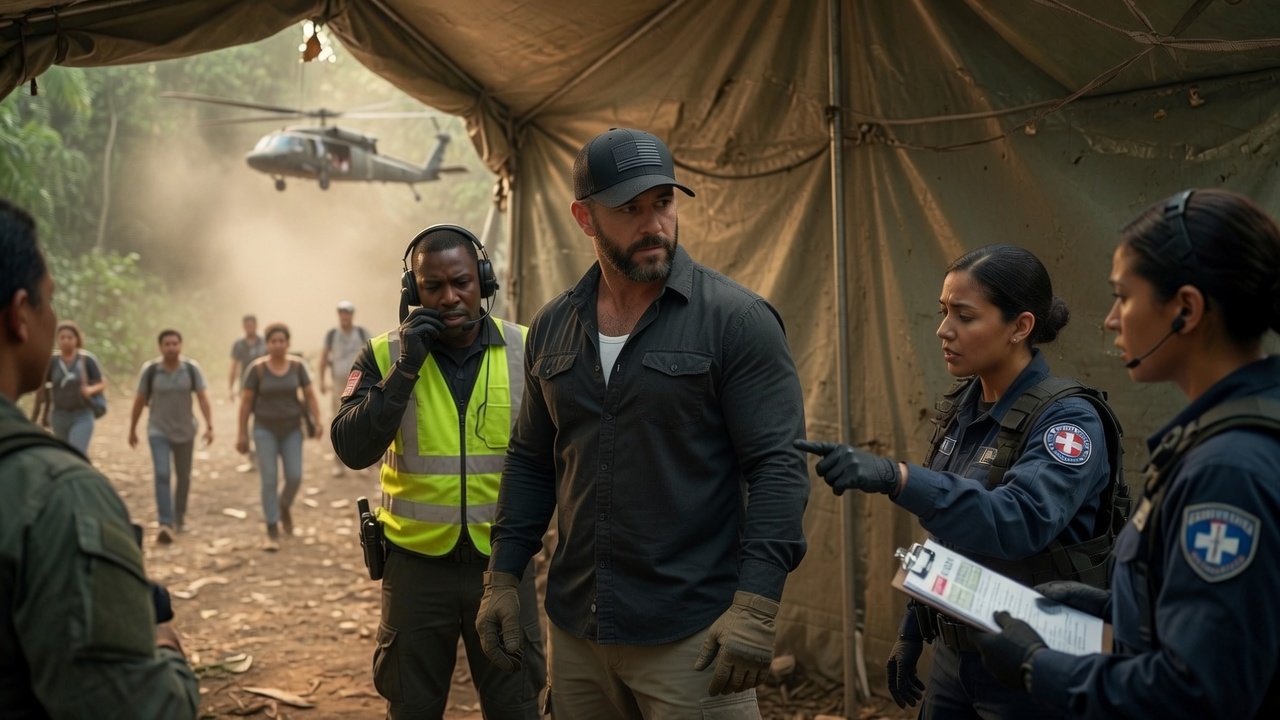
Balancing organizational growth and personnel safety requires leaders who understand the full spectrum of risks, take ownership of decisions, and accept that mistakes may occur. This article explains why ownership is important, how it works in practice, and how organizations with limited resources can develop this habit without large internal teams.
The Quiet Work of Prevention Rarely Makes Headlines
Those who prevent crises seldom receive the same recognition as responders. Analysts and planners who track indicators, identify vulnerabilities, and recommend adjustments often work behind the scenes. Their success is marked by the absence of incidents. When their recommendations are ignored, they are often called to manage the very crises they sought to prevent, a pattern that is both common and costly.
In reality, resolving a crisis after it begins rarely means avoiding casualties, losses, or lasting damage, regardless of the crisis-management plan. Not every risk can be eliminated or every contingency planned for. The most effective approach is to prioritize prevention, with response as a backup. This shift happens when leaders treat early indicators as seriously as after-action reviews.
Protective intelligence serves this purpose. It involves systematically identifying patterns, assessing likelihood and impact, and providing decision-makers with clear options while action is still possible. Organizations that treat this work as optional often realize its value only after incurring high costs. For more on how indicators function in practice, see Attack Cycle Basics for Protective Intelligence Teams.
Financial Risk and Safety Risk Are Not Separate Languages
Most organizations are more comfortable managing financial risk than addressing personnel safety. Revenue loss is immediate and measurable, while potential harm to people is harder to quantify and often discounted during budget constraints. This gap creates friction. Safety recommendations usually involve costs that leaders must justify to boards or funders focused on growth, often resulting in delays or quiet rejection.
This friction is understandable. Leaders are reluctant to allocate resources to events that may never happen. However, organizations routinely accept financial contingencies, insurance premiums, and opportunity costs elsewhere. Safety risk is another contingency that requires disciplined ownership. When leaders treat personnel risk as secondary, risk professionals are forced into constant advocacy rather than advisory roles, wasting energy and increasing the likelihood that early warnings will be overlooked.
A practical middle path exists. It begins when leaders require the same rigor of assessment for safety decisions that they already apply to budget and growth decisions. The goal is not zero risk. The goal is informed risk acceptance with clear ownership.
Ownership of Risk Cannot Be Delegated
Something I learned early as an Army officer is that risk spans every discipline of operations. It is never confined to personnel safety or to budgets alone. Before any task I owned as a commander, I was required to complete a risk assessment. That assessment was not delegated. I owned the final judgment. Subordinates conducted their own assessments and brought the results upward so I could integrate them, but the decision and the accountability remained mine. The process was routine, not exceptional. It happened before every significant task. It saved lives, protected scarce resources, and contributed to mission success more times than I can count.
This principle applies beyond the military. While managers are plentiful, leaders who take full ownership of risk are rare. Analysts and planners provide data and options, but the decision to act or accept residual risk rests with the leader. Ownership means being willing to make mistakes and adjust as new information emerges. Leaders who wait for certainty often wait too long, and those who delegate risk assessment ultimately remain accountable.
The habit is transferable. Any organization can adopt a simple, repeatable assessment process before high-stakes activities, travel into complex environments, or decisions that place people in elevated-risk situations. The process does not require a large staff. It requires the person with authority to treat the assessment as part of their core responsibility rather than an optional add-on.
A Practical Framework Leaders Can Use Immediately
Leaders in small businesses, nonprofits, humanitarian organizations, and other resource-limited settings do not need complex systems to start. A practical framework with five elements can be scaled to fit the team and the work involved.
First, require a brief written risk assessment before any activity that exposes people to elevated risk. This assessment should address four questions: What are the most likely threats or disruptions? What is the potential impact on people and mission? What practical controls are in place? What residual risk remains, and who owns the decision to accept it?
Second, establish clear decision thresholds in advance. Specific combinations of indicators should automatically trigger heightened precautions or a pause for further review. Pre-set thresholds eliminate lengthy debate when time is limited.
Third, treat the assessment as a leadership responsibility, not just a staff task. Staff and subject-matter experts provide analysis, but the leader makes the final decision and communicates it to those affected.
Fourth, close the loop after every significant activity or near-miss. A brief after-action review that examines both the quality of the original assessment and the effectiveness of the controls builds institutional learning without bureaucracy.
Fifth, visibly recognize those who identify early indicators and help prevent problems. Public acknowledgment of prevention work shifts the culture to value proactive action, not just reaction.
These five elements form a lightweight decision tool. They can be applied to travel risk management, program design in complex environments, or any operational choice that carries meaningful consequences for people. Organizations that adopt the habit consistently discover that crisis avoidance becomes a normal part of how decisions are made rather than an occasional special effort.
Balancing Growth and Safety Is a Leadership Choice
There will always be tension between expanding programs or markets and protecting the people who make growth possible. Ignoring this tension is unhelpful. Leaders must understand and weigh both sets of risks before making decisions.
When leaders take ownership, two outcomes improve. First, those identifying safety and security risks are no longer forced into constant advocacy; their work becomes essential input. Second, the organization gains a clearer understanding of the true cost of growth. Only leaders who consider both sides can make informed, responsible decisions.
The alternative is all too common: indicators are noted, recommendations made, but decisions are deferred due to difficult conversations with higher leadership. When a crisis occurs, those who raised concerns are tasked with managing the consequences. This pattern is both predictable and avoidable.
The Professionals Who Prefer Prevention Deserve Recognition
Analysts, planners, and operators dedicated to crisis avoidance are not deterred by organizational friction. Most see their work as a calling and accept that persuasion and negotiation are ongoing. In return, they seek leaders who understand the indicators, own the decisions, and occasionally recognize the quiet success of a crisis averted.
When recognition is present, the relationship between risk professionals and leadership becomes collaborative. Recommendations improve as they are tested against real-world conditions, and decisions are based on a more complete understanding. As a result, lives and organizational continuity are protected proactively, not reactively.
Start with Ownership
Crisis avoidance is fundamentally a leadership issue, not just a technical one. Many organizations already have the technical capacity to identify indicators, assess likelihood, and design controls. What is often lacking is a leader who treats this input as essential, knowingly accepts residual risk, and is prepared to justify decisions to those focused solely on growth.
Organizations that excel in this area do not eliminate crises, but they reduce their frequency and severity. They also minimize situations where ordinary people must take heroic action due to earlier decisions. This outcome is achievable for any organization that treats risk ownership as a core leadership responsibility.
If these challenges reflect your experience, a brief conversation can help identify the most effective next steps using your current resources. Practical frameworks, decision tools, and targeted support are available for organizations seeking professional protective intelligence and travel risk management without large internal teams. Please reach out when you are ready.