

Risk Mitigation through Assessment and Program Development - Haiti
Security Enhancement and Hostile Acquisition Defense: Protecting a Haitian Orphanage from Gang Threat
The Challenge A large missionary organization operating a prominent orphanage in Haiti faced escalating risks from powerful local gangs seeking territorial expansion and control over vulnerable institutions. The facility housed over 200 children—including many with physical and developmental disabilities—along with teachers, staff, and a small local security team. Gangs had demonstrated aggressive tactics, including attempts at hostile acquisition of properties through intimidation, forced takeovers, or direct breaches, amid Haiti's broader instability where law enforcement response was often delayed, ineffective, or compromised.
Without robust, tailored physical security measures, clear policies, and practiced response protocols, any breach could result in mass casualties, abductions, or permanent loss of the orphanage as a safe haven for vulnerable children. The organization needed expert guidance to harden defenses, build reliable intelligence, and prepare for worst-case scenarios—including rapid, coordinated evacuation—while maintaining discretion to avoid provoking escalation.
Our Approach Morton Executive Decisions partnered closely with the missionary organization to deliver a comprehensive physical security and risk mitigation program. We focused on proactive fortification, policy development, and realistic preparedness tailored to the orphanage's unique vulnerabilities and the local gang dynamics.
Key actions included:
Conducting a detailed site vulnerability assessment and implementing layered physical security enhancements: perimeter hardening, access controls, surveillance improvements, safe rooms, and defensive positioning to deter or delay forced entry.
Developing and implementing customized policies and Standard Operating Procedures (SOPs) specifically designed to counter hostile acquisition attempts—covering threat indicators, escalation protocols, staff roles during intrusions, communication plans, and decision-making authority in crisis.
Building and maintaining a discreet, trusted local intelligence network over more than two years, enabling early warning of gang movements, intentions, and potential threats through vetted community sources.
Designing and conducting realistic evacuation drills and training for staff, teachers, and security personnel, emphasizing foot-based movement in hostile terrain, child handling (especially for those with disabilities), route selection, anti-pursuit tactics, and contingency rendezvous points.
Providing ongoing advisory support to integrate intelligence into daily operations, refine response plans, and ensure all personnel understood their roles in a potential breach scenario.
Our small, senior-led team structure facilitated rapid, confidential collaboration—no bureaucratic layers slowed implementation—delivering high-level expertise affordably and personally to a mission-driven NGO.
The Outcome The preparations proved decisive when a local gang eventually breached the perimeter. Thanks to timely intelligence from the cultivated local network, the team detected the incursion early and initiated the pre-planned evacuation protocol. All 200+ children (including those with handicaps), teachers, staff, and the local security team successfully escaped on foot to a more secure location.
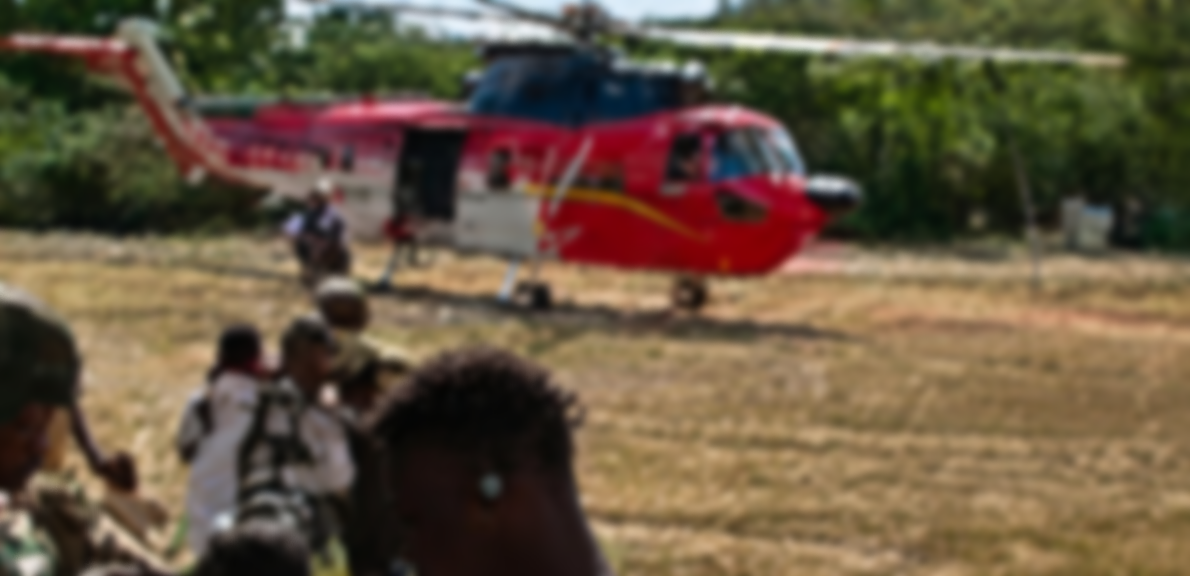
The multi-day foot evacuation—conducted under constant pursuit by the gang—was executed with discipline: maintaining formation, using evasion routes, managing child welfare in austere conditions, and avoiding capture despite intense pressure. After three days of movement, the group reached a predetermined extraction point where helicopter pickup safely removed everyone to safety. No children, staff, or security personnel were harmed or captured.
Hundreds of lives were preserved, the orphanage's mission continuity was protected (though temporarily relocated), and the organization avoided a catastrophic loss that could have ended its operations in the area. This outcome validated the value of layered preparation: physical hardening bought critical time, SOPs ensured coordinated action, intelligence enabled proactive escape, and drills built the muscle memory needed for success under duress.
This case underscores our ability to deliver effective, life-saving security solutions in extreme high-risk environments—often outperforming larger providers through agility, deep local integration, and personalized focus.
Key Takeaways for Organizations
Comprehensive physical security upgrades combined with clear, threat-specific policies and SOPs can transform vulnerable sites into defensible assets capable of withstanding direct assault.
Long-term investment in reliable local intelligence networks provides unmatched early warning and decision advantage in gang-dominated or unstable regions.
Realistic, scenario-based drills—including challenging elements like foot evacuations with vulnerable populations—are essential for turning plans into effective action during real crises.
Multi-layered preparedness (physical, procedural, intelligence, training) enables organizations to protect large groups, including children with special needs, even when threats escalate to breach and pursuit.
Agile, expert partnerships allow mission-driven groups and NGOs to access corporate-grade security capabilities—delivered discreetly, affordably, and with full alignment to their values and constraints.
At Morton Executive Decisions, we specialize in supporting smaller organizations, NGOs, and mission-driven groups with the same level of high-risk security, crisis planning, and evacuation expertise as major entities… delivered personally, affordably, and effectively.
Ready to discuss how we can support your team in facility security, hostile acquisition defense, intelligence development, or evacuation planning in high-threat environments? Schedule a free, confidential consultation today.