The Benefits of Travel Insurance from a Security Expert
Travel insurance is not my main area of expertise. But protective security is. I spend most of my time on travel risk: what happens when a traveler gets sick or injured far from home, who pays, who coordinates care, and how quickly a medical problem becomes an operational one. For clients going to high-risk locations, I do offer select policies as an additional service. I look at insurance the same way I look at briefings and transport: does it work when the traveler actually needs care?
Most domestic health plans do not provide coverage abroad. Many hospitals require payment before treatment begins. Language barriers raise clinical risk. Medical evacuation routinely costs tens of thousands of dollars and can climb much higher on a long-range air ambulance. For small businesses, nonprofits, humanitarian teams, and faith-based organizations, those facts are not abstract. They decide whether someone gets treated promptly or whether a program stalls while people scramble for cash, interpreters, and a flight.
This article walks through the healthcare problems I see on trips and in after-action reviews, and it explains how the right policy closes those gaps. The point is not to push a product. The point is to know what coverage actually does, what it excludes, and how to treat the policy as part of travel preparation rather than a box checked at checkout.
The Global Healthcare Landscape
Healthcare quality and access differ widely between countries, and those differences become critical the moment a traveler needs treatment. Some cities offer modern hospitals with English-speaking staff. Others lack basic equipment, reliable power, or the ability to handle trauma cases. Even in well-resourced countries, visitors face higher prices, unfamiliar protocols, and administrative systems built for locals. Language, culture, and payment practices add friction. Most U.S. plans exclude care abroad or offer limited emergency benefits that still require the traveler to pay first and fight for reimbursement later. For organizations with limited resources, that combination can turn a routine medical issue into a logistical and financial crisis. Understanding the landscape is how you decide what level of protection a trip actually needs.
Those differences are concrete. A traveler with appendicitis in a capital city may receive excellent care once payment is arranged. The same condition in a rural area can mean delayed diagnosis, limited surgical options, and an urgent transfer. Infection control, medication availability, and post-operative care vary just as much. Travelers with chronic conditions often find that local pharmacies do not stock familiar medications, or that they offer substitutes with different dosages or uncertain purity. You cannot assume adequate local care will be available. You have to plan for the version of the trip where it is not.
From a security standpoint, medical infrastructure is part of destination risk, just like crime, unrest, and transport quality. If the nearest hospital that can handle your traveler is hours away, the plan is incomplete until you know who pays for the move and who arranges it.
Pro-tip: Extended hospitalization abroad often requires medical evacuation. Confirm the policy covers both the evacuation and accompanying medical personnel.
Challenges of Obtaining Healthcare Abroad
Language and money are the first two problems that manifest during a crisis. Accurate diagnosis depends on a clear account of symptoms, history, allergies, and medications. Without a shared language, that information gets lost. Translation apps help with basic phrases but fail in a clinical conversation. Misunderstandings about dosage, contraindications, or consent can lead to the wrong treatment. Cultural differences compound the problem. Practices that are routine in one system may be rare or unavailable in another. Expectations around family involvement, how prognosis is delivered, and how pain is managed also vary, and travelers often feel unheard at the moment they most need to be understood. Administrative barriers can also arise: many facilities require a credit card authorization or cash deposit before imaging or surgery, and they may hold a traveler until the bill is settled.
Quality of care is not uniform. Some facilities meet high international standards. Others struggle with equipment maintenance, staff training, or infection prevention. A routine stay can create a second problem if hygiene is weak. Claims processes and paperwork requirements are rarely designed for foreign visitors. For small organizations and individuals without a large support staff, these issues arise without a logistics team or counsel standing by.
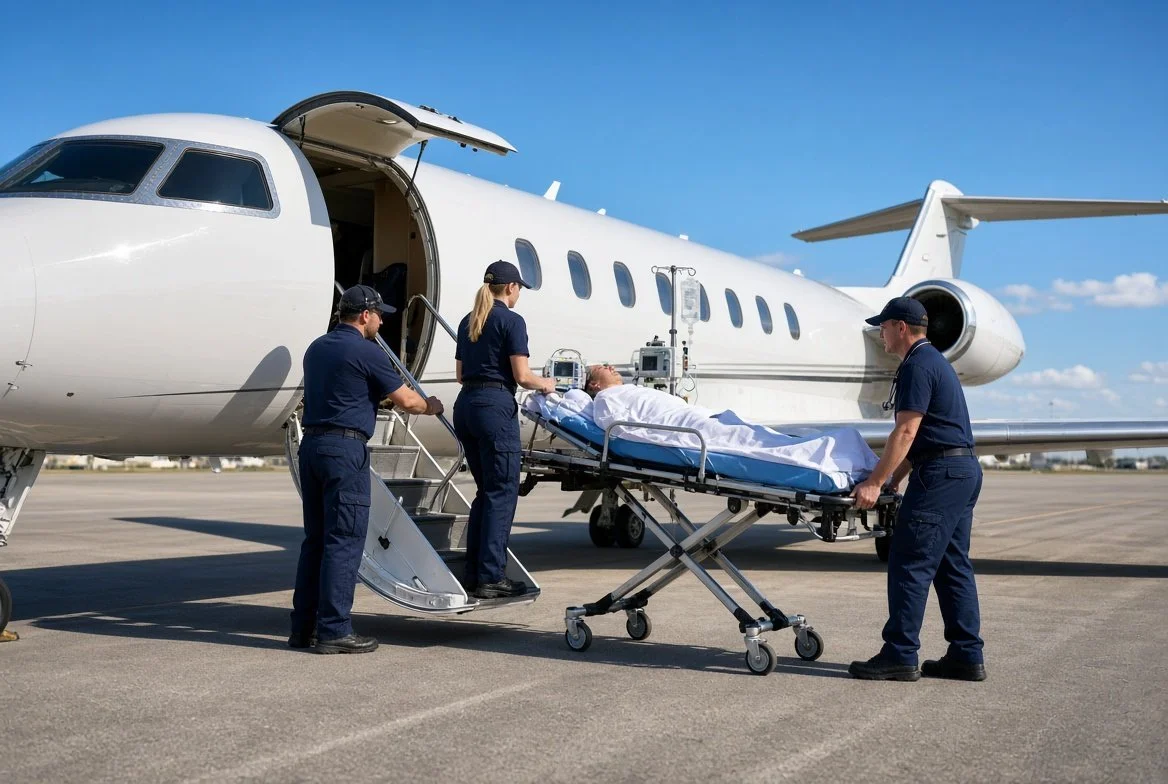
Travel insurance addresses those gaps when the policy includes the right features. Medical expense coverage pays for emergency treatment, hospital stays, physician fees, and prescriptions incurred abroad. Strong policies carry higher limits and reduce or remove the requirement that the traveler pay everything out of pocket first. Medical evacuation and repatriation are often the most important features in the policy. When local facilities cannot deliver the needed level of care, the assistance center coordinates and funds transport to a suitable hospital or back home. Those moves frequently involve specialized aircraft and medical teams. Without coverage, the bill commonly runs from tens of thousands of dollars into six figures on a long-range flight. Language assistance matters for the same reason a briefing matters: many insurers run 24/7 centers that arrange professional interpretation and steer travelers toward facilities that have handled international patients before. They also manage paperwork. For organizations with limited resources, that external desk is an on-demand capability you would otherwise have to staff.
Pro-tip: Domestic health coverage rarely applies to treatment abroad. Plan as if it will not pay.
Choosing the Right Travel Insurance
Selecting coverage is a comparison exercise, not a hunt for the lowest premium. Start with medical expense limits that match the destination and the work. Confirm medical evacuation and repatriation are included without a cap so low it fails on the first serious transfer. Check that every country on the itinerary is covered; many plans exclude high-risk or conflict areas, and some change that list after purchase. Read pre-existing condition terms closely. Some policies exclude them outright. Others cover an acute episode. A few offer a waiver if you buy the policy early enough. Trip interruption, baggage, and 24/7 assistance are useful, especially for teams that cannot absorb an unexpected cost without disrupting the mission. The policy that looks inexpensive is often the one that fails on destination, activity, or evacuation limits.

Organizations should treat policy selection as part of travel risk management, not a separate purchasing task. Assess destinations, traveler profiles (age, health, length of stay), and the nature of the work. Require proof of coverage before departure. Store insurer emergency contacts in more than one place, including with a home-based contact who is not on the trip. Review exclusions for adventure activities, conflict zones, and pandemic-related care, so surprises don't show up in an emergency room. A short internal checklist (destination coverage, evacuation limit, pre-existing conditions, assistance numbers) prevents the gaps I see most often.
If you already have a policy, read it like a security plan: what does it actually do under stress, and where does it stop? That review is the difference between being insured and being covered. Consumer plans often fail where humanitarian, faith-based, and field teams actually work. High-risk destinations need a policy written for those exclusions, not a standard vacation product with a war clause that voids the claim. For a destination-specific read, use the free travel risk assessment tool, which includes insurance and training recommendations. For broader context on how threat signals precede incidents, check out Protective Intelligence: Listening to Threat Indicators.
Practical Integration with Travel Risk Management
Travel insurance works best when built into traveler safety, not added after tickets are bought. Pre-travel briefings should cover how to reach the assistance center, what documents to carry, and when to seek care early instead of waiting. Organizations with limited resources can use a simple decision tree. When symptoms appear, call the insurer’s assistance line first so they can coordinate care and payment before anyone argues with a cashier. After an incident, conduct a debrief. Capture what local care was actually like and how long the response took. Those notes improve the next destination assessment and the next policy choice. Insurance does not replace awareness, transport planning, or medical preparedness. It removes the financial and operational barriers that turn a manageable event into a crisis.
That integration is the same discipline you apply to the rest of the trip. Know who is responsible for the traveler, how to reach them, and what happens if the first plan fails. For small businesses, nonprofits, humanitarian groups, and faith-based organizations, the assistance center is often the only 24/7 desk you have. Use it that way. Put the number in the briefing, in your phone, and with a person at home. If the destination is elevated risk, confirm the policy still covers that location.
Insurance will not prevent illness or injury. It determines whether the traveler can be treated and moved without the organization scrambling to pay or arrange logistics under pressure.
Closing the Gap Before the Next Trip
Travel insurance offers critical benefits: payment for care that domestic plans will not cover, coordination of medical evacuation when local hospitals cannot do the work, language and navigation support that lowers clinical risk, and access to better facilities through an established network. Those protections matter most for organizations and individuals without a large internal medical or security staff. Choosing the right policy, understanding its limits, and building it into travel preparation makes insurance a working tool instead of a formality.
Before departure, confirm that medical and evacuation limits match the destinations, that pre-existing conditions are addressed, and that each traveler knows how to reach assistance. That step reduces the chance that a health issue abroad becomes a personal or operational emergency. For organizations with limited resources, it is one of the highest-leverage decisions on the trip list.
If you want a clear read on what coverage fits a specific destination, start with the free risk assessment tool. For a policy review against an itinerary (including high-risk exclusions), see trip insurance coverage.